
Are Open Gyms Supervised? What Parents Should Ask
A child spots a trampoline, a tumble track, and an obstacle course all at once. Naturally, they want to try everything. That excitement is exactly why parents ask, are open gyms supervised? The short answer is usually yes, but the level and type of supervision can vary widely from one facility to the next.
Open gym is designed for active fun, independent practice, and time to explore movement skills outside a regular class. It can be a fantastic outlet for high-energy kids and teens. Still, it is not always the same as a coach-led gymnastics, tumbling, or ninja class. Knowing the difference helps families choose an experience that feels fun, appropriate, and safe for their child.
What Does Supervision at Open Gym Mean?
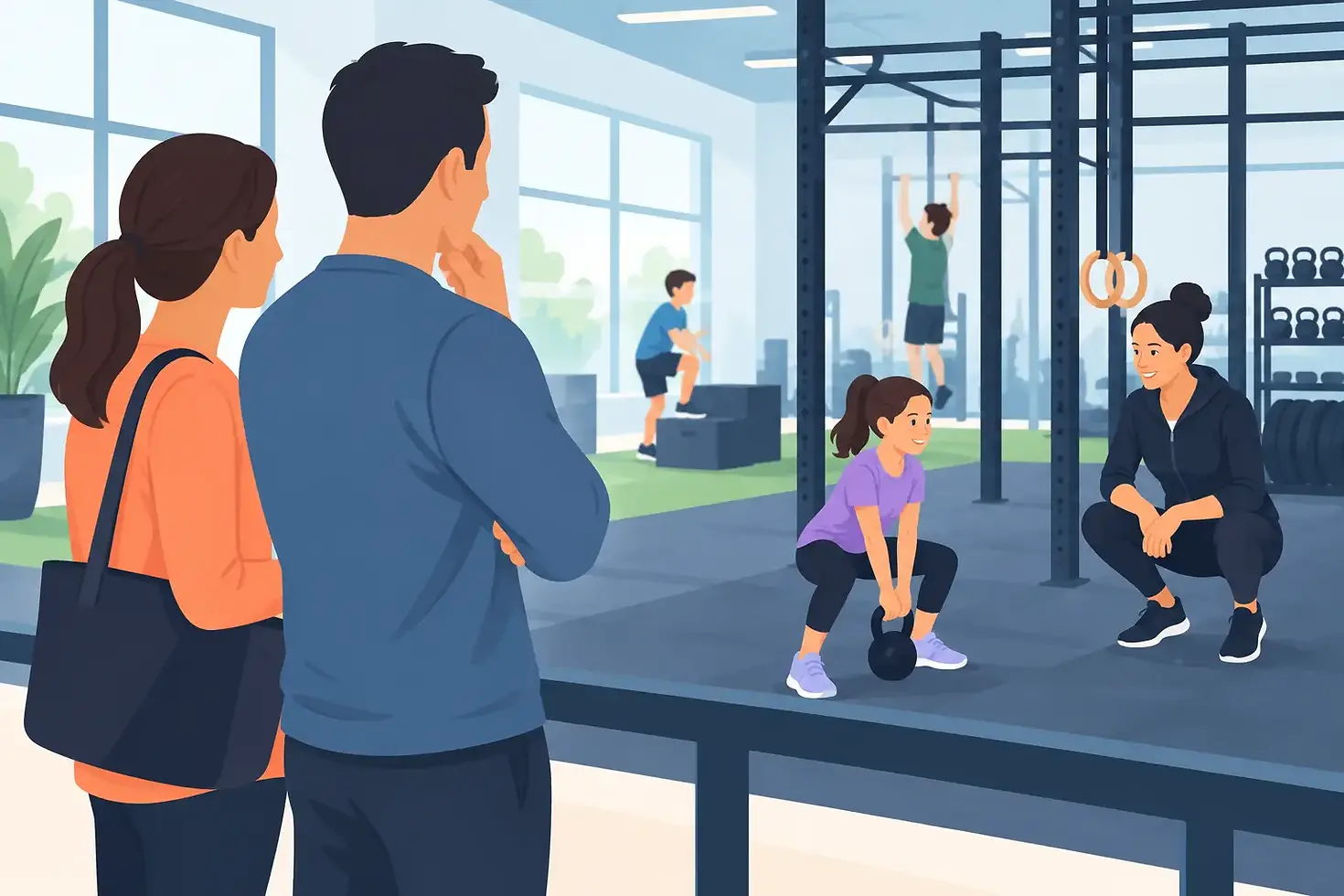
At a well-run youth facility, trained staff members are present on the floor to monitor activity, enforce safety rules, manage equipment use, and step in when a situation needs attention. They may help direct traffic on popular stations, remind kids to wait their turn, separate age groups when needed, or redirect a child who is attempting a skill beyond their current level.
That supervision matters. A busy gym has lots of movement happening at once: children running toward an obstacle, athletes taking turns on a trampoline, beginners practicing cartwheels, and more experienced students working on tumbling progressions. Staff help keep that energy organized so kids can move with confidence instead of chaos.
However, supervision does not always mean one-on-one coaching. During open gym, instructors are typically watching the whole space and supporting the group. They may offer a quick tip or help a child use a station properly, but they are not necessarily teaching a full lesson or spotting every repetition.
For a child who is learning a first back handspring, flip, aerial, or more advanced trick, a structured class or private lesson is often the better setting. Those skills require focused instruction, proper progressions, and hands-on coaching when appropriate. Open gym is a great place to build comfort, practice familiar basics, and enjoy active play within the gym's rules.
Are Open Gyms Supervised the Same Way as Classes?
Not quite. The biggest difference is the purpose of the session.
In a class, students follow a planned curriculum. A coach leads warm-ups, teaches specific skills, manages progressions, and keeps the group moving through a structured lesson. Class sizes, age ranges, and equipment use are usually designed around that program.
At open gym, kids often have more freedom to choose what they want to do. That flexibility is part of the fun. One child may want to swing, another may want to race through ninja obstacles, and another may want to practice a roundoff they already know. Staff are there to maintain a safe, positive environment, but kids need to follow directions and make age-appropriate choices too.
For parents, the practical takeaway is simple: open gym supervision should feel active and visible, but it should not be mistaken for unlimited personal coaching. If your child needs close instruction, has never used gym equipment before, or is working toward a new advanced skill, ask the facility which program is the best fit.
What Parents Should Look for Before Attending
Every gym sets its own open gym policies, so it is worth asking a few clear questions before your first visit. Start with who will be on the floor and whether those staff members are trained coaches, instructors, or designated monitors. Ask how the gym separates younger children from older or more advanced participants, especially during busy sessions.
You will also want to understand the rules around trampolines, foam pits, tumble tracks, obstacle equipment, and landing mats. Good open gym rules are easy to hear, easy to follow, and consistently enforced. Kids should know where to wait, how many people may use a station at once, and which skills or equipment require staff permission.
It also helps to ask about the parent role. Some open gyms are drop-off sessions for certain ages. Others ask parents or guardians to remain in the facility, particularly for younger children. Parent-child open gym programs may invite adults to participate directly alongside toddlers and preschoolers. There is no single right format, as long as the expectations are clear and match your family's needs.
A clean, organized space is another good sign. Mats should be placed correctly, pathways should stay open, and equipment should be set up for safe use. You should be able to see that staff are scanning the room, communicating with kids, and handling unsafe behavior calmly and quickly.
How Kids Can Get the Most From Open Gym
Open gym works best when children arrive ready to listen, move, and have fun without feeling pressured to perform. Encourage your child to start with skills they already know. A strong cartwheel, safe landing, controlled jump, or smooth obstacle course run builds far more confidence than repeatedly attempting a trick they are not prepared for.
Remind them that waiting for a turn is part of training. So is taking a break when they are tired. Fatigue can affect body control, especially during jumping, tumbling, and climbing activities. Kids who learn to recognize when they need water or a reset are developing smart athletic habits that carry into every sport.
It is also helpful to set one simple goal before they go. Maybe they want to complete a ninja obstacle without stopping, practice a clean forward roll, or try a new balance challenge. Small wins keep open gym purposeful while preserving the freedom that makes it exciting.
If your child is shy, open gym can be a lower-pressure way to get comfortable in a movement space. They can watch other kids, explore at their own pace, and build familiarity with equipment before joining a class. For social kids, it can be a great opportunity to move with friends and cheer each other on.
When Open Gym May Not Be the Best Choice
Open gym is not the ideal setting for every child at every stage. Very young children may need a parent nearby to help them navigate a larger gym environment. Children who struggle to follow group safety directions may benefit from a smaller, more structured program first. Athletes chasing a major skill goal will usually make faster progress with consistent coaching in a class or private lesson.
That is not a drawback. It is simply about matching the program to the child. A beginner may thrive in a foundations class where every skill is broken down step by step. A child with lots of energy may love a ninja class with guided obstacles and clear challenges. An experienced tumbler may use open gym as extra practice time for skills they have already been taught safely.
The best facilities make room for all of those paths. At SD Trick + Flip, the goal is to give kids a place to build strength, coordination, resilience, and confidence while being supported by knowledgeable coaches and a positive community.
Questions Worth Asking at Check-In
Before your child joins an open gym session, ask how staff handle unsafe attempts at advanced skills and whether certain equipment has separate rules. Find out if there are age limits, skill requirements, capacity limits, or designated areas for younger participants. If your child has an injury, sensory need, or concern about joining a new environment, share that information with the staff so they can help you decide whether the session is a comfortable fit.
Most importantly, pay attention to how the facility answers. A trustworthy gym will be happy to explain its procedures, expectations, and supervision approach. Clear answers show that safety is part of the experience, not an afterthought.
Open gym should leave kids happily tired, proud of what they tried, and excited to come back. When families understand the level of supervision, follow the rules, and choose a session that matches their child's age and ability, all that energy can become something even better: confident movement, real progress, and plenty of fun.


Comments